Restaurant construction is some of the most demanding work in commercial construction. Every system in the building — mechanical, electrical, plumbing, fire suppression, hood exhaust — has to be engineered around one central fact: someone is going to cook food here, serve it to the public, and the health department has an opinion about every square foot.
Over 50 years of building in Savannah and across Coastal Georgia, we've completed restaurant and hospitality projects ranging from tenant build-outs in Pooler strip centers to full-service dining rooms in historic Savannah buildings. Here's an honest look at what the process actually involves, what it costs, and where projects go sideways.
A Restaurant Is a Factory First, a Dining Room Second
That framing matters from the very first conversation. Owners who have operated restaurants understand it immediately. First-time operators sometimes don't — until the expediter explains that the walk-in cooler is three feet short and the dishwasher drain backs up into the service hallway.
The back-of-house is where the build gets complicated. A vanilla shell in a Pooler commercial strip might deliver 400-amp three-phase power and a basic HVAC stub. A restaurant typically needs 600 to 1,200 amps depending on the equipment package, dedicated hood exhaust penetrations through the roof, a Type I commercial hood over the cooking line with its own make-up air system, grease traps sized to the health department's calculation, a compartment sink, hand-washing sinks at code-required intervals, and walk-in refrigeration with its own condenser unit. None of that comes with the shell.
Before any design goes to the city for permitting, the commercial development work we manage starts with a detailed utility and code review of the space. Savannah and Chatham County don't have identical requirements — and if you're working in an older building in the Historic District, the variance process for mechanical penetrations adds time that needs to be built into the schedule from day one.
Front-of-House: What Guests See, What Inspectors Check
The dining room looks simpler than it is. Finish work aside — flooring, paint, millwork, lighting — the front-of-house carries its own code load.
Occupancy calculations. Georgia's building code and the fire marshal calculate occupancy based on gross square footage, seating configuration, and fixture counts. A Savannah bar-restaurant that wants 150 seats in 3,000 square feet needs bathrooms sized to that occupancy, a specific number of exits, and minimum egress widths. Design the dining room first, then try to fit the bathrooms in afterward, and you'll often find yourself tearing out walls to add a fixture.
ADA compliance. Every new restaurant build-out has to meet ADA requirements: accessible parking, path of travel, counter heights, restroom geometry. In a tenant improvement inside an older building, the path-of-travel obligation can require upgrades to common-area restrooms and corridors that were never part of the original scope. Surprise costs like these show up on cost-plus contracts and sometimes blindside owners on fixed-price bids if they weren't scoped correctly.
Bar construction. If there's a bar, it's effectively a second kitchen from a mechanical standpoint: under-counter refrigeration, a glasswasher, a hand sink at code-required proximity, ice machine drainage, and often its own sub-panel. A well-built bar back is a complicated millwork-and-mechanical hybrid.
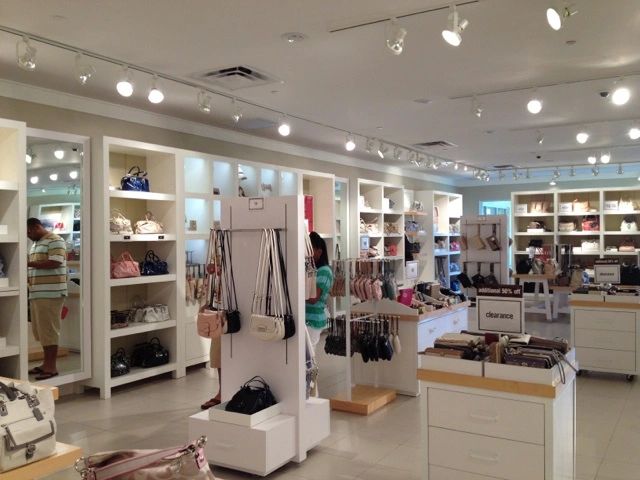
You can see examples of the commercial interiors we've completed — from full-service restaurants to retail build-outs — in our construction portfolio. The proof of how well a space holds up is usually in year three, not opening night.
Back-of-House: Where the Budget Really Lives
Commercial kitchens are priced by the equipment package and the utility infrastructure needed to support it. That infrastructure is where general contractors earn their fee.
Exhaust hoods and make-up air. A commercial Type I hood over a cooking line typically costs $15,000–$45,000 installed, depending on length and the complexity of the ductwork route to the roof. In a multi-story building or a historic Savannah structure with a flat roof, every extra foot of duct run adds cost. Make-up air units — the system that replaces air the hood exhausts — are often sized wrong by engineers who haven't walked the kitchen. An undersized make-up air unit means the hood doesn't draft correctly, which means a hot kitchen, a health department citation, and a call back to the mechanical contractor.
Grease interceptors. Savannah's public utilities require grease interceptors on every commercial kitchen discharge. The size is calculated from fixture units, not a rule of thumb. We see projects lose two to three weeks when the civil engineer's interceptor spec doesn't match what the city's review engineer approves. In Liberty County, the calculation methodology differs still.
Walk-in coolers and freezers. Prefabricated walk-in panels go in after framing and rough mechanical — but the slab below them has to be coordinated in advance. Walk-in refrigeration condensers need their own electrical circuit, proper clearance, and placement where the heat dump doesn't cycle back into the kitchen. Sounds obvious. We've seen it done wrong enough times that we flag it explicitly in pre-construction meetings.
Permits and Health Department Sign-Off in Savannah
A Savannah restaurant build-out typically runs through three separate permit streams simultaneously:
- Building permit (City of Savannah or Chatham County, depending on location) — covers structural, mechanical, electrical, and plumbing.
- Health department review (Georgia Department of Public Health, Environmental Health Division) — this is a separate track from building permitting. Plan review can take 3–6 weeks and doesn't always resolve in sync with the building permit.
- Fire marshal inspection — hood suppression systems, ansul systems on cooking equipment, exit signage, fire extinguisher placement, and occupancy load posting.
All three have to close before you receive a certificate of occupancy and can open. The most common source of delay we see isn't the contractor — it's owners who submit plan revisions mid-review (which resets the clock) or equipment substitutions late in construction that require re-stamped drawings.
Our construction management process includes active permit tracking and inspector coordination as a standard service, not an add-on. For restaurant clients, we assign one person to own the health department timeline separately from the building permit, because the two move at different speeds and require different contacts.
The Timeline Everyone Wants to Compress
Here's the range we typically see in Savannah for restaurant build-outs, from lease signing to first service:
- Tenant improvement in an existing shell, no major structural work: 4–7 months
- Conversion of a non-restaurant space (retail, office) to restaurant use: 6–10 months
- Ground-up restaurant construction: 10–18 months
The factor that compresses or expands every one of those ranges is owner decision velocity. Owners who come to OAC meetings having already approved submittals and resolved open items hit the shorter end. Owners who are designing as they go — changing equipment specs mid-construction, adding a raw bar, swapping the walk-in for reach-ins because the walk-in felt oversized — push toward the longer end.
We're direct about this in the first conversation. It's not a criticism; it's the math. Construction is fastest and cheapest when decisions are front-loaded.
What the Budget Breakdown Actually Looks Like
Restaurant build-out costs in Savannah in 2026 run roughly as follows for tenant improvements:
- Fast-casual (limited cooking equipment, modest finishes): $120–$175 per square foot
- Full-service restaurant (commercial hood line, full bar, mid-grade finishes): $200–$300 per square foot
- Upscale dining or historic adaptive reuse: $300–$500+ per square foot
Ground-up construction adds site work, foundation, and shell, and typically runs $350–$600 per square foot all-in depending on the program.
These ranges reflect real Savannah market conditions: trade labor tightness, current material costs, and the permitting and inspection overhead that coastal Georgia projects carry. If a contractor quotes you $90 a square foot for a full-service restaurant, ask them to show you what's not in the number.
How We Approach Restaurant Projects in Coastal Georgia
We don't take every restaurant project that calls us. We take ones where the owner is serious about building it right, where the design is far enough along that we're not working from a sketch, and where the schedule and budget have been discussed honestly.
We self-perform a significant portion of the rough work — framing, concrete, and select finish trades — which means fewer handoffs and tighter quality control. For the mechanical, electrical, and plumbing work that a restaurant requires, we use subcontractors we've worked with for years in this market. They know the specific expectations the Savannah health department and fire marshal bring to a final walkthrough.
If you're in early conversations about a restaurant build-out in Savannah, Pooler, Richmond Hill, or anywhere in the Coastal Georgia corridor, the right starting point is a real conversation about scope, timeline, and budget before you sign a lease on a space. Reach out to our team — we'll give you an honest read on what we see in the building, what it'll actually cost, and whether the timeline you have in mind is realistic.