Most homeowners in Bryan County, Chatham County, or Liberty County start their search for a custom home builder the same way: they do an online search, look at a few portfolios, and start reaching out. That's a reasonable first step. But the factors that actually determine whether a build goes well or goes sideways have very little to do with what you find on a website.
We've been building custom homes and managing construction projects in Coastal Georgia for over 50 years. We've watched plenty of builds — by us and by others — go both ways. What follows isn't a checklist you'll find in a home improvement magazine. It's what we'd tell someone sitting across the table from us at our Richmond Hill office.
Licensing and Insurance Are the Floor, Not the Ceiling
Every licensed general contractor in Georgia carries a state license and a certificate of insurance. That's not a credential — it's a minimum requirement. Starting your evaluation there is like hiring a driver because they have a license. Of course they should have one. The real question is whether they can handle the road you're on.
In Coastal Georgia specifically, you need to know whether the builder understands the additional layer of complexity that comes with building near tidal marshes, in flood zones, or within CAMA coastal shoreline setback areas. A contractor who built their reputation in the Atlanta suburbs and then expanded south isn't automatically unqualified — but they've had to learn the coastal lessons somewhere, and you'd rather it not be on your project.
Verify the license through the Georgia Secretary of State's online database. Ask for a current certificate of insurance and call the insurance company to confirm it's active. This takes about 10 minutes and eliminates an entire category of problems before you get started.
Ask for References, Not Just Photos
A portfolio photo tells you that a builder can finish a house and take a decent photograph of it. References tell you what the process actually looked like on the ground.
Ask for three to five references from projects completed in the past five years, preferably in Coastal Georgia. When you reach those homeowners, ask them:
- Did the project come in within 10 percent of the original estimate?
- How did the builder handle problems when they came up?
- Did you hear from the builder proactively, or did you have to chase for updates?
- Would you use this builder again — without hesitation?
That last question carries the most weight. People are polite. They'll soften criticism of a mediocre experience. But if someone says "I'd use them again in a heartbeat, no question" — that means something. If they pause before answering, that means something too.
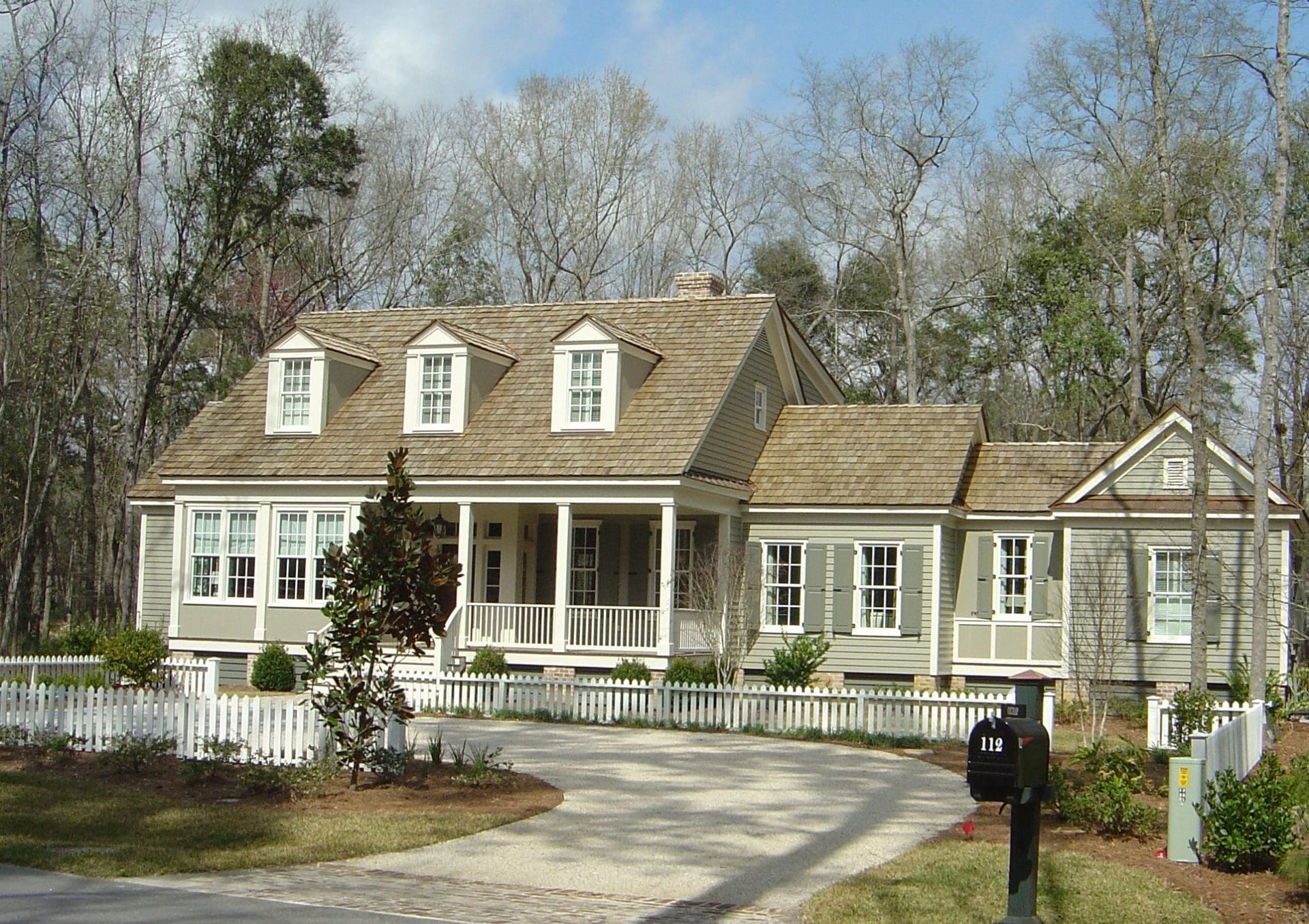
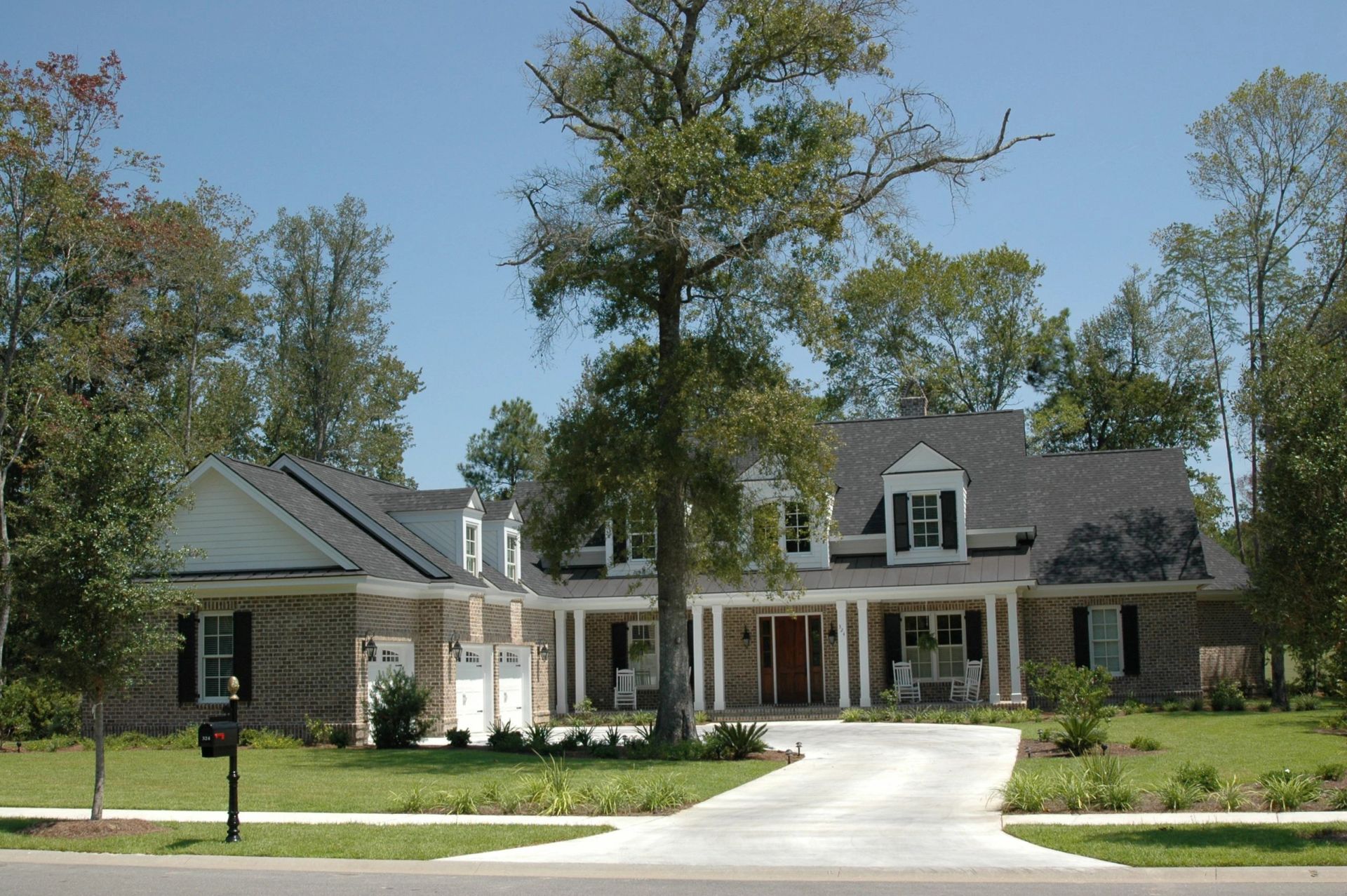
You can review our portfolio of completed projects across Coastal Georgia, including custom homes in Richmond Hill and Bryan County — but we'll tell you the same thing we're telling you here: call the people whose houses you see in those photos. That's the real reference.
Understand How the Project Will Actually Be Managed
This is where most homeowners don't ask enough questions. A custom home in Bryan County involves a general contractor, multiple specialty subcontractors, a structural engineer (required for any coastal flood zone construction), a surveyor, a septic designer if you're not on public sewer, and a long list of material suppliers. How all of that gets coordinated isn't automatic — it requires active, experienced management from start to finish.
Ask the builder directly: who will be on-site managing the day-to-day work? Is it the owner, a project manager, or a rotating crew of whoever's available? How many other projects will that person be managing at the same time? How often will you receive updates, and in what form?
At Bedford Falls Builders, our whole-cycle approach means we stay involved from the first site visit through the final punch list. You can read more about how our construction management process works and what that hands-on involvement looks like in practice. The short version: you should never have to wonder what's happening on your job site or who to call with a question.
Look Carefully at the Subcontractors
A general contractor is only as good as the subs they rely on. Ask who does the framing. Ask who handles the electrical and plumbing. Ask whether those subcontractors are local to Coastal Georgia, and how long the builder has worked with them.
The coastal zone has specific trade requirements that matter. Wind-resistant framing details — from shear wall design to hurricane strap specifications at the correct intervals — are different in Bryan and Liberty counties than they are 100 miles inland. A framer who's done this work in the flood zone is a different asset than one who hasn't. The same goes for HVAC design: properly sizing a system for a Richmond Hill summer on a lot with marsh exposure is a different calculation than sizing one for a house in Rincon or Statesboro.
Good general contractors protect their subs, and good subs protect their GCs. If a builder is vague or dismissive when you ask about who they use, that's a flag worth taking seriously.
Have the Hard Conversation About Money Before You Sign
Two questions most homeowners are reluctant to ask, and shouldn't be:
How do you structure your contracts? General contractors work under either a fixed-price contract or a cost-plus arrangement. Fixed-price gives you more certainty on the total, but it requires a complete set of drawings and specifications before the number is meaningful — if the plans aren't finished, a fixed price is mostly a guess. Cost-plus gives you more transparency into where the money goes and more flexibility if your design evolves, but it requires trust in the builder's process and record-keeping. Neither structure is inherently better. The right one depends on how far along your plans are.
How do you handle changes and surprises? On any coastal site, there will be surprises. Buried debris. Soil conditions that change the foundation design. A permit comment that requires a structural revision. Ask how those conversations happen. Do they reach out to you with a clear written change order before the work starts, or do you get a lump sum at the end of the month? Ask to see a sample change order from a recent project. It should be clear about what changed, why it changed, and what it costs. If a builder can't produce one, or the document is designed to obscure rather than explain, keep looking.
Red Flags That Come Up on the Georgia Coast
A few things we've seen enough times to mention specifically:
A bid that's significantly lower than the others. A custom home in Coastal Georgia in 2026 costs what it costs. Material and labor prices here are not negotiable in ways a builder can control. If one bid comes in 20 or 30 percent below the rest, ask specifically what was excluded. Sometimes it's a value-engineering conversation worth having. More often it means something was left out of the estimate — site work, impact fees, engineering — and the builder plans to recover it in change orders.
No single point of contact. You should be able to call one person — not a main office line, not a rotating project coordinator — and get a straight answer about your job. If during the selection process you're talking to a salesperson who then hands you off to someone else after you sign, ask who specifically manages your project from day one.
Vague answers about coastal-specific requirements. Ask about flood zone certifications, wind-load calculations for your county, and the CAMA setback that applies to your lot. A qualified coastal builder answers those questions without hesitation or jargon. A builder who doesn't work much in the coastal zone will hedge or generalize. Those are different levels of experience.
What to Know About the Full Scope of Services
Not every builder is set up to handle every kind of project, and the honest ones will tell you that upfront. Our construction services in Coastal Georgia cover custom homebuilding, commercial construction, remodeling, and full construction management — but the projects that fit us best are the ones that benefit from the kind of thorough coordination we've built our business around over 50 years.
We're not the right fit for a small repair or a quick cosmetic refresh. We're a good fit for a custom home, a ground-up commercial project, a significant renovation, or a situation where a landowner needs an experienced partner to manage a complicated site and permitting process. Knowing the difference matters — for your budget and for the outcome.
What the First Conversation Should Tell You
When you sit down with a builder for the first time — a coffee meeting, a site walkthrough, a phone call — pay attention to how they talk about their past work. Do they tell you what went wrong as well as what went right? Do they ask questions, or do they mostly answer them?
A builder who only talks about how perfectly every project went isn't necessarily lying. But the ones who've done real coastal work will tell you about the foundation that needed redesigning because of soil conditions they didn't see in the borings, or the project that ran three months long because a county permit comment triggered a structural revision. Those are builders who've been tested. How a team handles the hard parts is what separates a company you want to work with from one you want to avoid.
If you're beginning to think through a custom home, a renovation, or a development project in Coastal Georgia, contact us directly and we'll set up a straightforward conversation. No sales pitch — just a builder who'll tell you what we know and what we don't, and whether we're the right fit for what you're trying to build.
Bedford Falls Builders has been building custom homes and managing construction projects in Richmond Hill, Savannah, Pooler, and across Bryan, Chatham, and Liberty counties for over 50 years. Founded by Bob Donovan Sr. and now led by Bob Donovan Jr., we're a family-run company built on direct relationships and honest work.